CustomsCashDeclaration
Bringing Cash into China: Declaration Rules

Bringing Cash into China: Declaration Rules

Last Updated: June 17, 2026·Foreigners traveling to China carrying cash·4 min read

In a Nutshell

You can bring up to 20,000 RMB and USD 5,000 equivalent in foreign currency without declaration — anything above requires a written customs form and possibly a permit.

Prerequisites

  • Count your total cash before arriving at the airport
  • Bring a pen to fill out the declaration form on the plane or at customs

Step-by-Step

China has specific limits on how much physical cash you can bring across the border. These rules apply both on entry and exit. The rules are straightforward, but getting them wrong has serious consequences.

RMB (Chinese Yuan) Limit

You may carry up to 20,000 RMB in cash when entering or leaving China. This is a hard limit — there is no declaration process that allows you to carry more. If you need to move more than 20,000 RMB, you must use electronic transfer methods or traveler's checks.

The 20,000 RMB limit applies per person. Splitting the cash among family members to stay under the limit technically works, but customs officers may question this if they suspect structuring.

Foreign Currency Limit

For foreign currency (USD, EUR, GBP, JPY, etc.), the rules are tiered:

  • Up to USD 5,000 equivalent: No declaration required. Walk through the green channel.
  • USD 5,000 to USD 10,000 equivalent: You must complete a written customs declaration form. A permit from a bank or foreign exchange authority is generally required.
  • Above USD 10,000 equivalent: Strictly controlled. You need a permit from the State Administration of Foreign Exchange (SAFE) or an authorized bank in advance. Showing up at customs without this permit will result in the excess cash being held or refused.

The foreign currency equivalent is calculated using the official exchange rate on the day of entry.

How to Declare Cash

If you are carrying cash that requires declaration:

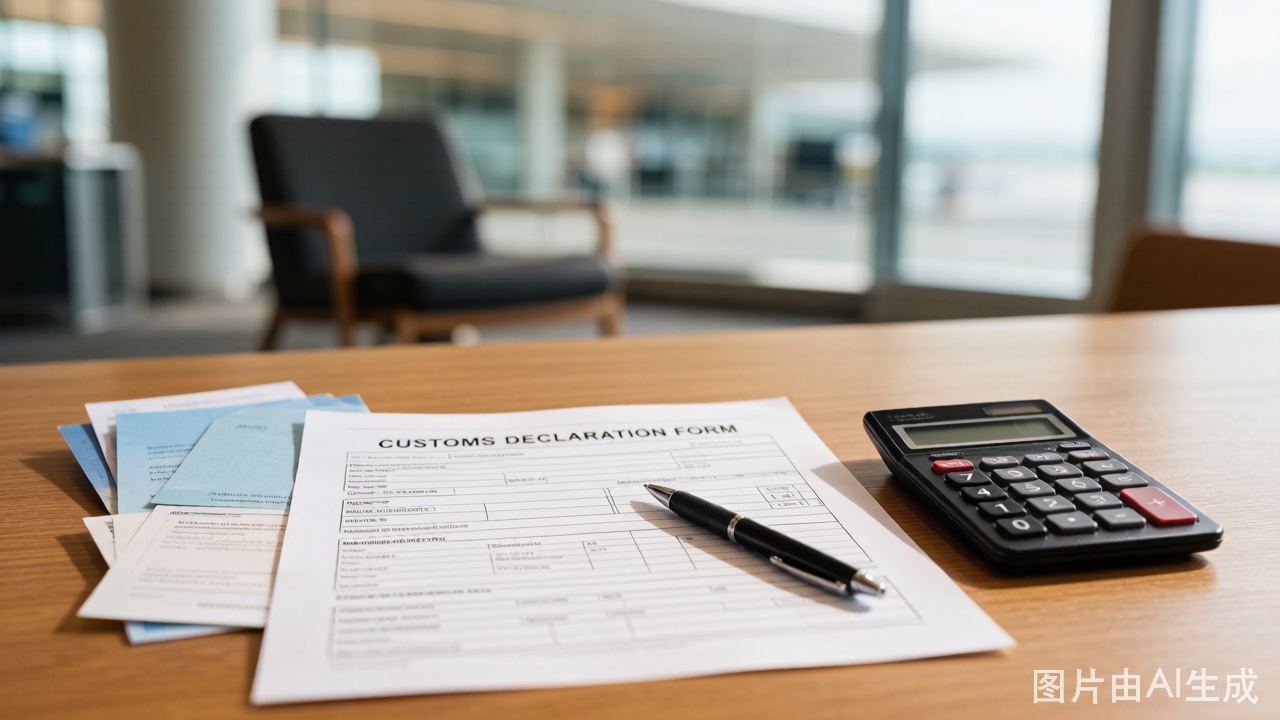
  1. Request a Customs Declaration Form — available on the plane before landing or at the customs area in the arrival hall.
  2. Fill in your personal details (passport number, name, nationality, flight number).
  3. In the "Articles to Declare" section, specify:
    • The currency type(s)
    • The exact amount(s)
    • The source and intended use of the funds
  4. Proceed through the Red Channel (Goods to Declare) and hand the form to a customs officer.
  5. The officer may ask questions about the source and purpose of the cash. Answer truthfully and provide supporting documents if available (withdrawal receipt, bank statement).
  6. Keep the stamped copy of the declaration form — you will need it when you leave China if you are taking the remaining cash out.
Common Pitfalls

Common Pitfalls

  • Currency equivalent confusion. The USD 5,000 threshold applies to the combined value of all foreign currencies you are carrying, not per currency. If you carry 3,000 USD plus 2,500 EUR, you have exceeded the threshold.
  • Forgetting about cash in multiple places. Cash in your wallet, money belt, jacket pocket, and suitcase all counts toward the total. Customs uses X-ray machines that detect currency.
  • Disposing of the declaration receipt. The stamped declaration form is your proof that the cash was legally brought in. If you want to take it back out, you need this document. Without it, customs may treat the money as undeclared on exit.
  • ATM withdrawals count separately. The limit applies to physical cash carried across the border, not to money you withdraw from ATMs inside China.

Backup Plan

Alternative Options

Instead of carrying large amounts of cash:

  • Use ATMs inside China — major bank ATMs with Visa/Mastercard logos can dispense RMB. Daily withdrawal limits depend on your home bank, typically 2,000-5,000 RMB per day.
  • Set up Alipay or WeChat Pay with a foreign card — this covers most daily spending and reduces reliance on cash.
  • Wire transfer to a Chinese bank account — if you open a local account, international wire transfers have much higher limits than physical cash.
  • Traveler's checks — less common now but still accepted at major banks.

Step-by-Step Guide

  1. Count your cash — total up all RMB, all foreign currency, and convert foreign currency to USD equivalent.
  2. Decide your channel. If under 20,000 RMB and under USD 5,000 equivalent in foreign currency: use the Green Channel (Nothing to Declare). Otherwise: use the Red Channel.
  3. Fill out the form before landing if possible — it saves time.
  4. Proceed to the correct channel. Getting caught in the Green Channel with declarable cash is treated as an intentional evasion.
  5. Answer questions directly. Provide any proof of fund source, especially for business-related cash.

Red Line Warning

Failing to declare cash above the threshold can result in confiscation of the undeclared amount, fines, and a customs violation record that affects future entry.

Advertisement
AdSense Placeholder — 300x250

Comments

Powered by Giscus. Configure your GitHub repository by replacingdata-repoanddata-repo-idattributes in the source code.