What items are completely banned from leaving China?
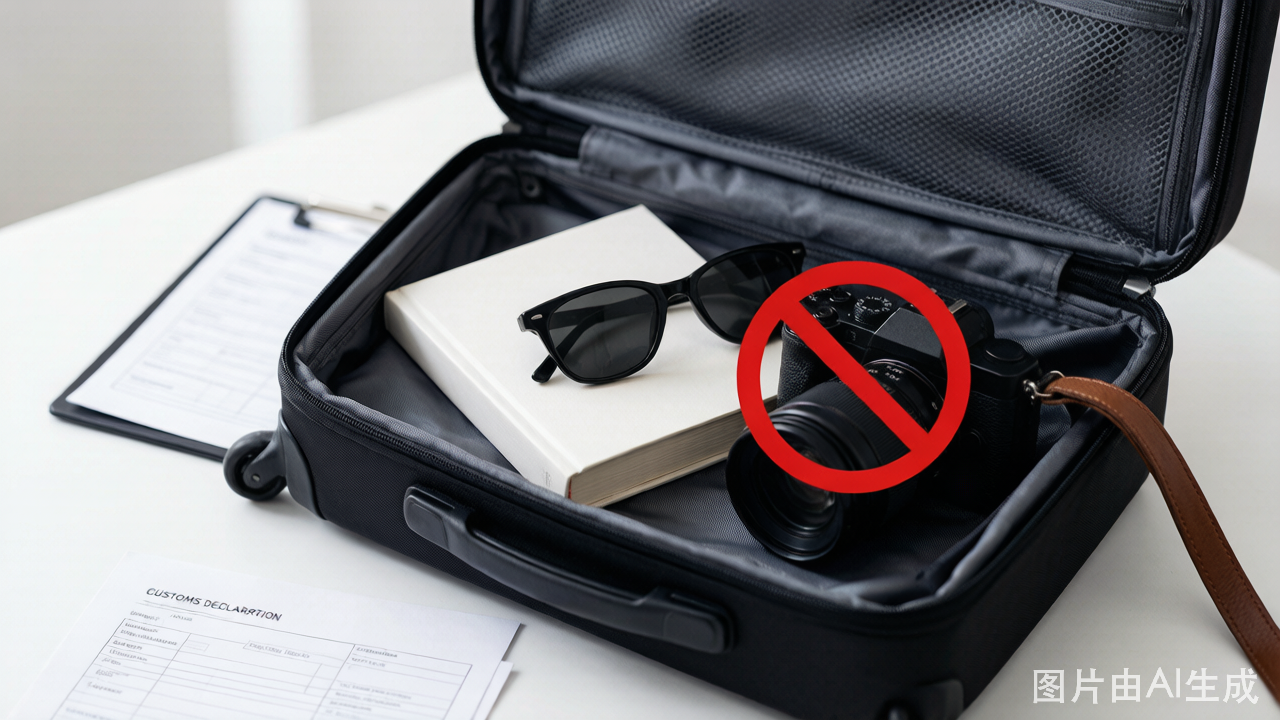
The departure prohibited list largely mirrors the entry prohibited list, plus several categories specific to cultural heritage and national security:
- All items on the entry prohibited list — weapons, ammunition, counterfeit currency, narcotics, toxic substances, and items deemed harmful to state interests
- Classified documents and materials — anything containing state secrets or sensitive information
- Protected cultural relics — antiques and artifacts that require an export permit
- Endangered wildlife and products derived from them — ivory, rhino horn, tiger bone, certain traditional medicines, coral, and products made from protected species
- Endangered plants and seeds — certain plant species, seeds, and derivatives that are protected under CITES (Convention on International Trade in Endangered Species)
- Valuable cultural items without authorization — rare books, manuscripts, artworks, and historical documents that the Cultural Heritage Administration has designated as protected
What are the cash limits for leaving China?
The same rules apply on departure as on entry:
- RMB: Maximum 20,000 yuan in physical cash
- Foreign currency: Up to USD 5,000 equivalent without declaration; USD 5,000-10,000 with declaration and a bank certificate; above USD 10,000 requires a SAFE permit
If you brought cash into China and declared it at entry (with a stamped declaration form), show that form at departure to account for the cash you are taking out. Without it, the cash is treated as undeclared on exit.
Can I take antiques and artwork out of China?
It depends on the age and classification of the item.
- Items manufactured before 1949 (the founding of the People's Republic of China) may be classified as cultural relics. Taking them out of China requires an Export Permit for Cultural Relics issued by the National Cultural Heritage Administration or its authorized local offices.
- Items manufactured in or after 1949 that are mass-produced and have no particular historical significance can generally be exported without a permit.
- Original paintings, calligraphy, and sculptures by recognized artists may require an export permit regardless of age, especially if the artist is culturally significant.
- Items purchased from a licensed antique shop with a red official export seal already applied can be exported — this is the safest way to buy antiques as a foreigner.
If you buy an antique item and are unsure about its export status, check with the seller. Licensed antique dealers know which items require permits. Unlicensed street vendors may sell items that cannot legally leave the country — the risk of confiscation at the airport is yours, not the seller's.
What about wildlife products?
Chinese customs enforcement on wildlife products has become significantly stricter in recent years, aligned with international CITES regulations. The following are high-risk:
- Ivory and ivory products — a near-total ban is in effect. Even old ivory items purchased abroad and carried through China may be seized.
- Rhino horn — absolutely prohibited.
- Tiger bone, leopard bone, bear bile products — prohibited.
- Certain traditional Chinese medicines — products containing musk, saiga antelope horn, pangolin scales, and other protected species derivatives are banned from international trade.
- Coral, certain shells, and marine products from protected species.
- Live animals and plants — generally require CITES permits and quarantine certificates.
If you are transiting through China with wildlife products purchased in a third country, these rules still apply. The item is in your possession within Chinese territory, and Chinese law applies.
What about tea, silk, and common souvenirs?
Common consumer goods purchased for personal use — tea, silk scarves, porcelain, chopsticks, clothing, electronics, cosmetics — can be taken out without restriction as long as quantities are reasonable for personal use and the items are not on the prohibited list.
Bulk quantities of the same item (e.g., 50 identical silk scarves) may be treated as commercial export, which has different customs requirements.
What are the penalties for taking prohibited items out?
- Items confiscated at the security or customs checkpoint — you will not receive compensation
- Fines — up to several times the value of the items
- Criminal charges — for endangered wildlife products, serious cases result in criminal prosecution
- Missed flight — inspections take time, and you may be held until the situation is resolved
- Record of violation — flagged in the customs system, affecting future entry and exit
How to check if an item is safe to take out
- Ask the seller at the time of purchase — licensed retailers know the export rules for their products
- Check the item for an export seal — legitimate antique shops apply a red wax seal indicating the item has been cleared for export
- When in doubt, do not buy it — the financial loss of confiscation and the stress of being stopped at customs outweigh the value of a questionable souvenir
- Research CITES listings for any wildlife-derived product before purchase
What about laptops, hard drives, and data?
Customs officers have the authority to inspect electronic devices and their contents at the border. While this is not routine for every traveler, it can happen. Data that is classified, politically sensitive, or violates Chinese law can result in the device being held or the traveler being detained for questioning.
This is a rare occurrence for ordinary tourists, but travelers should be aware that border search powers in China include digital device inspection.