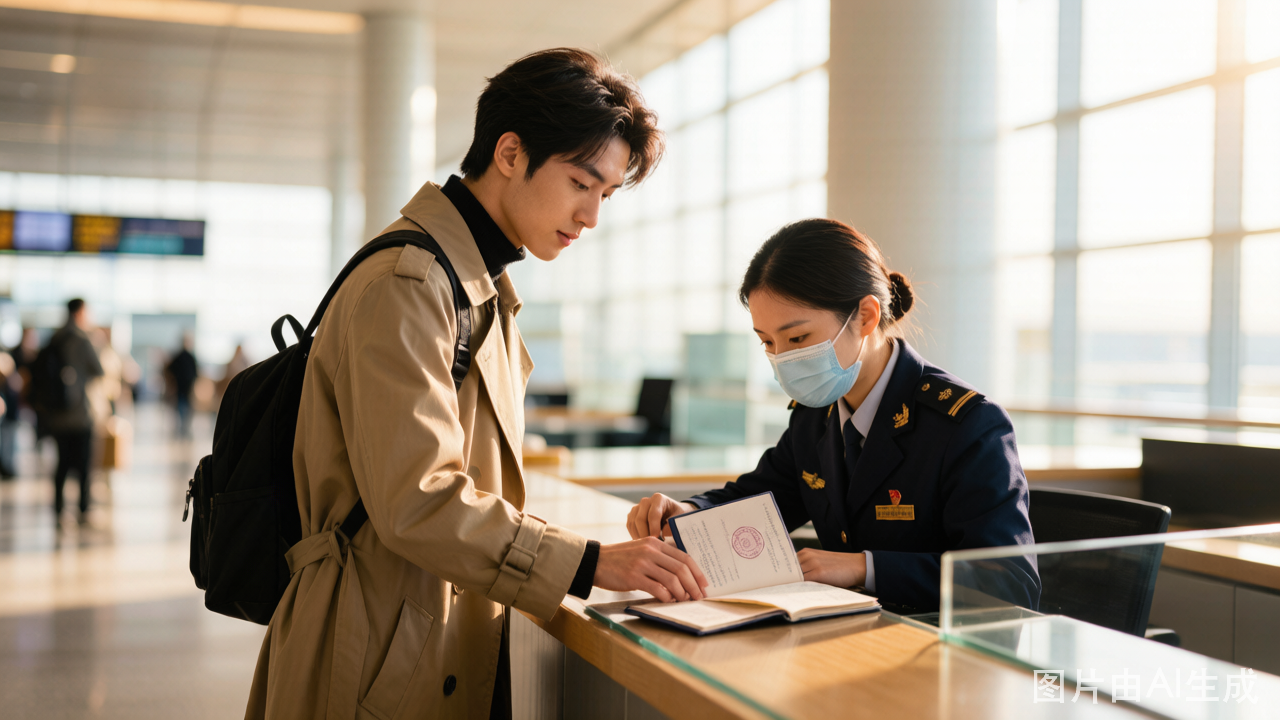
Landing at a Chinese airport as a foreigner follows a fixed sequence. Knowing the steps in advance reduces anxiety and speeds you through the process.
Step-by-Step Guide
Step 1: Disembark and Follow Signs for Arrivals / Immigration
After leaving the aircraft, follow overhead signs for "Arrivals" or "Immigration." At major international airports (Beijing Capital, Shanghai Pudong, Guangzhou Baiyun), signs are in Chinese, English, and often Korean and Japanese.
Do not follow signs for "Transfer" unless you have a connecting flight and do not plan to enter China.
Step 2: Health Declaration QR Code Scan
Before reaching immigration counters, you will pass through a checkpoint where your Health Declaration QR code is scanned. Hold your phone with the QR code screenshot up to the scanner.
If you did not complete the form in advance, there are usually self-service kiosks and staff nearby where you can fill it out on the spot. Expect a 10-15 minute delay if you need to do this after landing.
Step 3: Immigration — Choose Your Lane
Look at the overhead signs above the immigration counters:
- "Foreign Passports" or "Foreigners" — This is the lane for most foreign travelers. First-time visitors to China must use this lane.
- "Chinese Citizens" — Do not queue here.
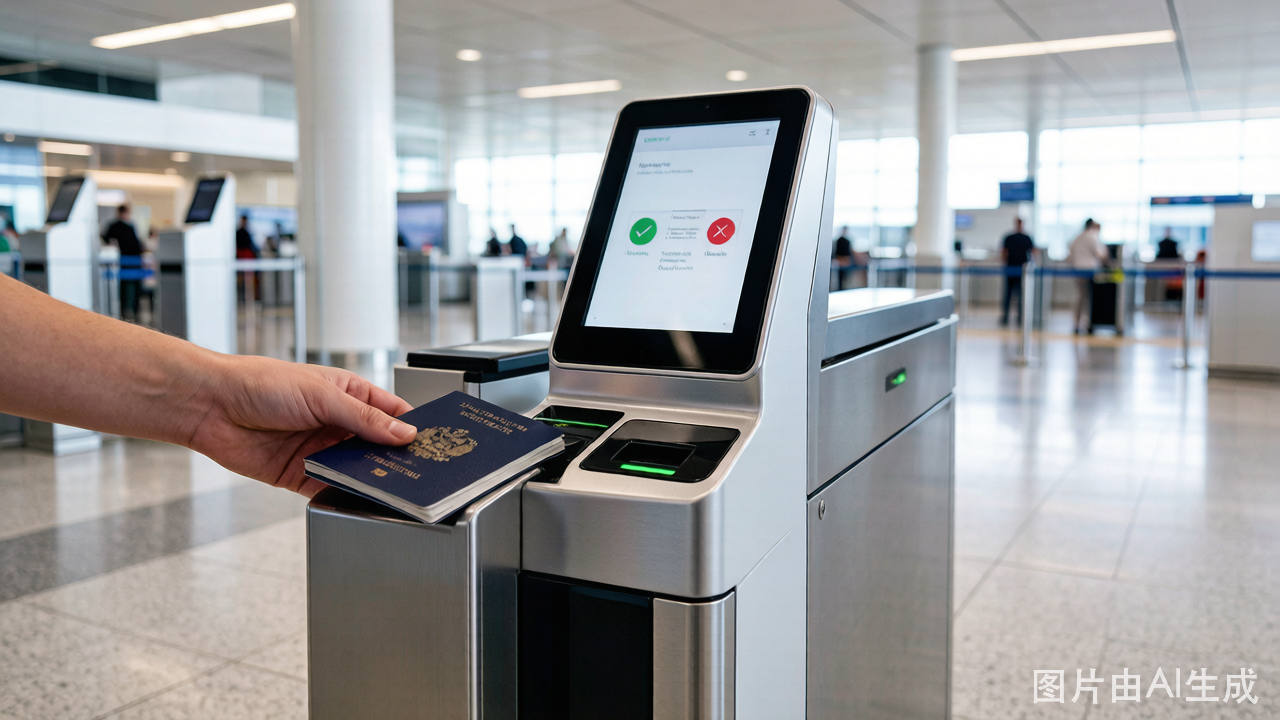
- "Self-Service / E-Channel" — Only for foreigners with biometric passports who have entered China before and had their fingerprints captured on a previous visit. If this is your first entry, this lane will not work for you.
- "Visa-Free" or "24/72/144-Hour Transit" — Some airports have dedicated lanes for visa-free and transit travelers. Use these if available.
Step 4: At the Immigration Counter
When it is your turn, hand over:
- Your passport (opened to the photo page or visa page)
- Your arrival card if one was distributed on the plane (most Chinese airports have switched to electronic systems, so no paper card is required — but if one was given, have it completed)
The officer will:
- Scan your passport
- Take your photo with the counter camera
- Scan your fingerprints (place each index finger on the reader when prompted)
- Possibly ask questions
Step 5: Questions the Officer May Ask
Immigration officers typically ask short, direct questions. Common ones:
- "What is the purpose of your visit?" — Answer simply: "Tourism," "Business meeting," "Visiting family."
- "How long will you stay?" — State the number of days matching your visa or visa-free period.
- "Where will you stay?" — Provide the hotel name or host address. Have it written down if pronunciation is difficult.
- "Do you have a return ticket?" — You may be asked, especially under visa-free entry.
Answer in short, direct sentences. Do not volunteer unnecessary information. If there is a language barrier, officers may use a translation device or call an English-speaking colleague.
Step 6: Receive Your Passport Back
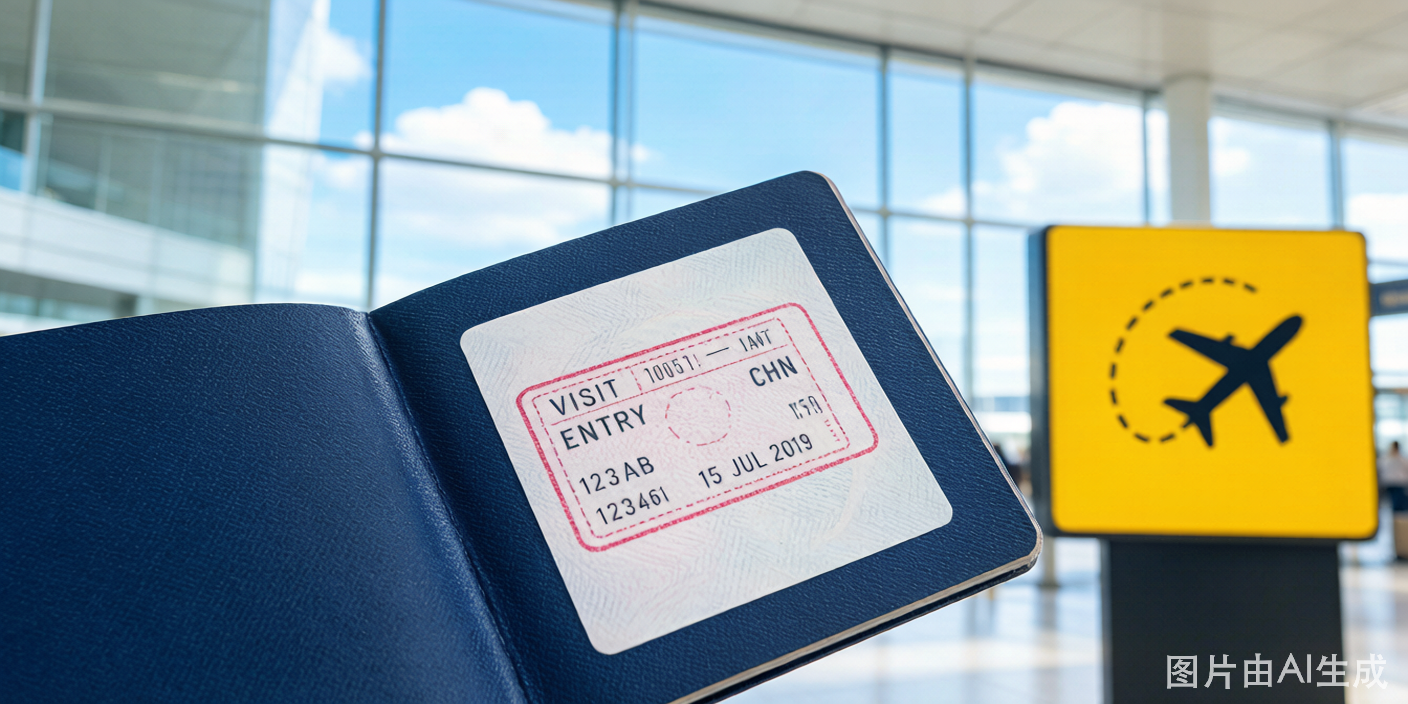
The officer stamps your passport with an entry stamp showing:
- The date of entry
- The permitted stay duration (usually handwritten or stamped as a number of days)
Check the stamp before walking away. Verify that:
- The date is correct
- The stay duration is what you expected (30 days for visa-free, matching your visa for visa holders)
If the stamp is illegible or contains an error, raise it immediately at the counter. Corrections after the fact are difficult.
Step 7: Baggage Claim
After immigration, follow signs to the baggage claim area. Check the screens for your flight number and corresponding carousel.
Free luggage carts are available at most airports.
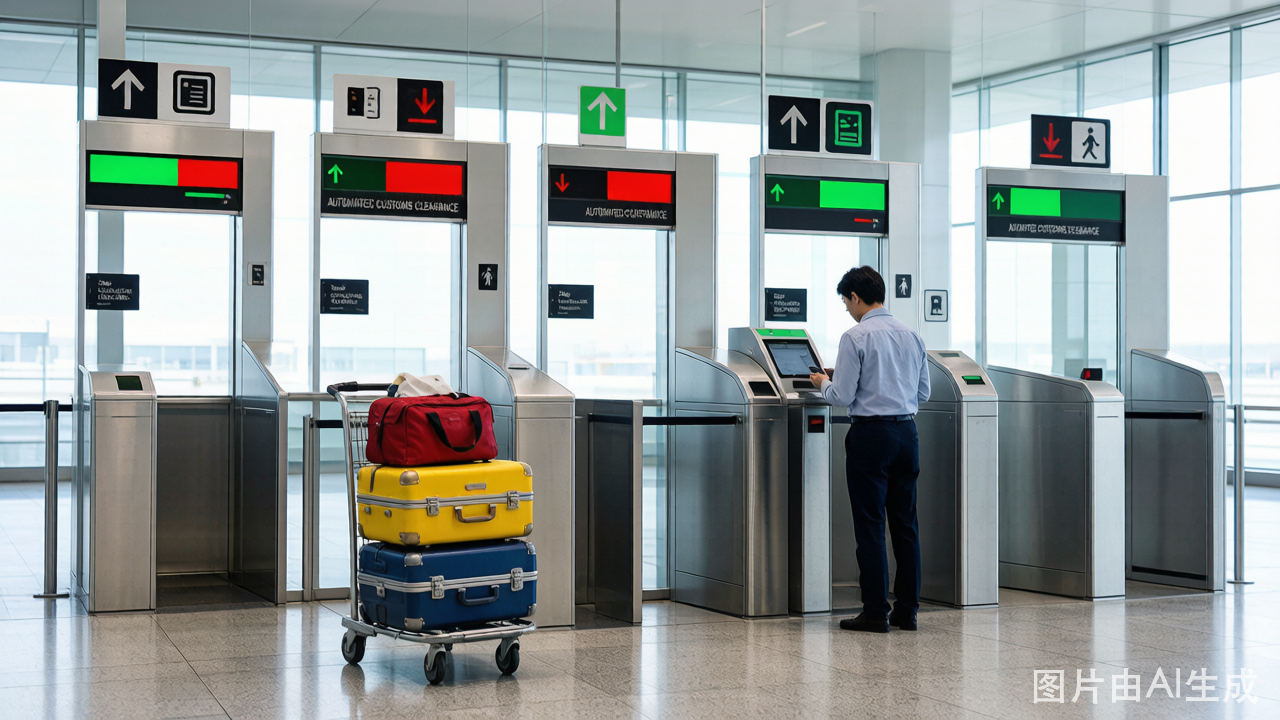
Step 8: Customs — Green or Red Channel
With your luggage, proceed to the customs inspection area:
- Green Channel (Nothing to Declare): Walk through if you have no items that require declaration. Your bags may still be X-rayed or randomly selected for manual inspection.
- Red Channel (Goods to Declare): Use this if you carry cash above the threshold, items exceeding duty-free limits, or any restricted goods. Hand your completed declaration form to the officer.
Step 9: Exit into the Arrival Hall
After customs, you enter the public arrival hall. Here you will find:
- Currency exchange counters and ATMs
- SIM card service desks (China Mobile, China Unicom, China Telecom)
- Airport information desks
- Taxi and ride-hailing pickup zones
- Metro/subway station entrances