Getting a Chinese phone number within minutes of landing is possible at every major international airport. The process is straightforward, but you need to know which counters are official and which are third-party resellers charging inflated prices.
Which Airports Have SIM Card Counters
The following airports have official carrier service desks in the arrival hall, usually after customs and before the exit:
| Airport | Location |
|---|---|
| Beijing Capital (PEK) | Arrival hall, near exit doors |
| Beijing Daxing (PKX) | International arrivals level |
| Shanghai Pudong (PVG) | Terminal 1 and 2, arrival halls |
| Shanghai Hongqiao (SHA) | International arrival area |
| Guangzhou Baiyun (CAN) | Arrival hall after customs |
| Chengdu Tianfu (TFU) | International arrivals level |
| Shenzhen Bao'an (SZX) | Arrival hall |
| Xi'an Xianyang (XIY) | International arrivals |
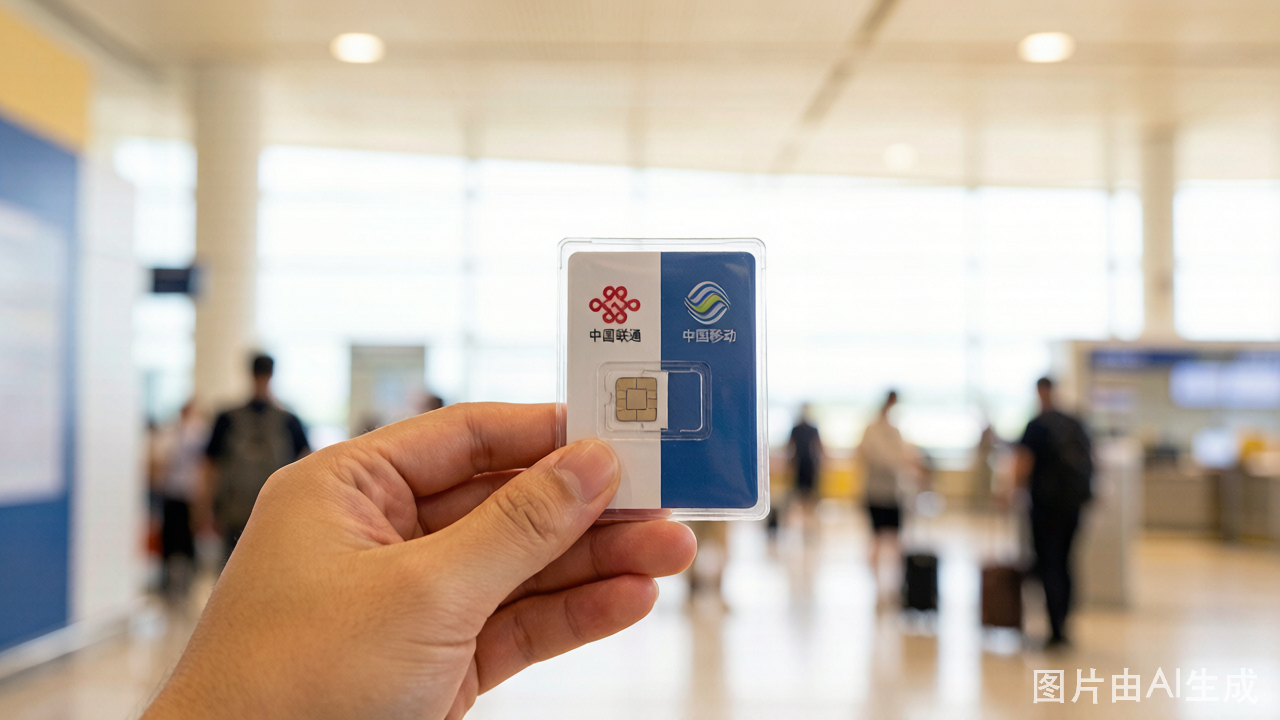
At these airports, you will find service counters branded as China Mobile, China Unicom, and China Telecom — the three state-owned carriers.
Required Documents
You need exactly one thing: your physical passport. Not a photo, not a copy — the original passport.
China enforces mandatory real-name registration for all SIM cards. The counter staff will:
- Scan your passport information page
- Take a photo of your face on the spot (facial recognition verification)
- Register the SIM card under your name in the national database
You cannot have someone else buy a SIM card on your behalf.
Available Plans
Airport counters offer short-term tourist plans designed for visitors. A typical plan includes:
- Data: 10 GB to 50 GB of domestic data, depending on the package and duration
- Voice: 100-300 minutes of domestic calling
- Duration: 7, 15, or 30 days
- Price: Approximately 50-200 RMB depending on the plan
Staff can explain the options in basic English. The price is displayed on a card or brochure. Airport prices are slightly higher than downtown store prices — this is standard and the convenience is usually worth the premium.
How to Buy — Step by Step
- After customs, look for carrier booths in the arrival hall. They are usually clustered together near the exit or near currency exchange counters.
- Choose a carrier. All three are comparable for data speed and coverage in cities. China Mobile has the widest rural coverage, but for city use, any carrier works fine.
- Tell the staff your needs. Say how many days you need and whether you want just data or data plus voice calls.
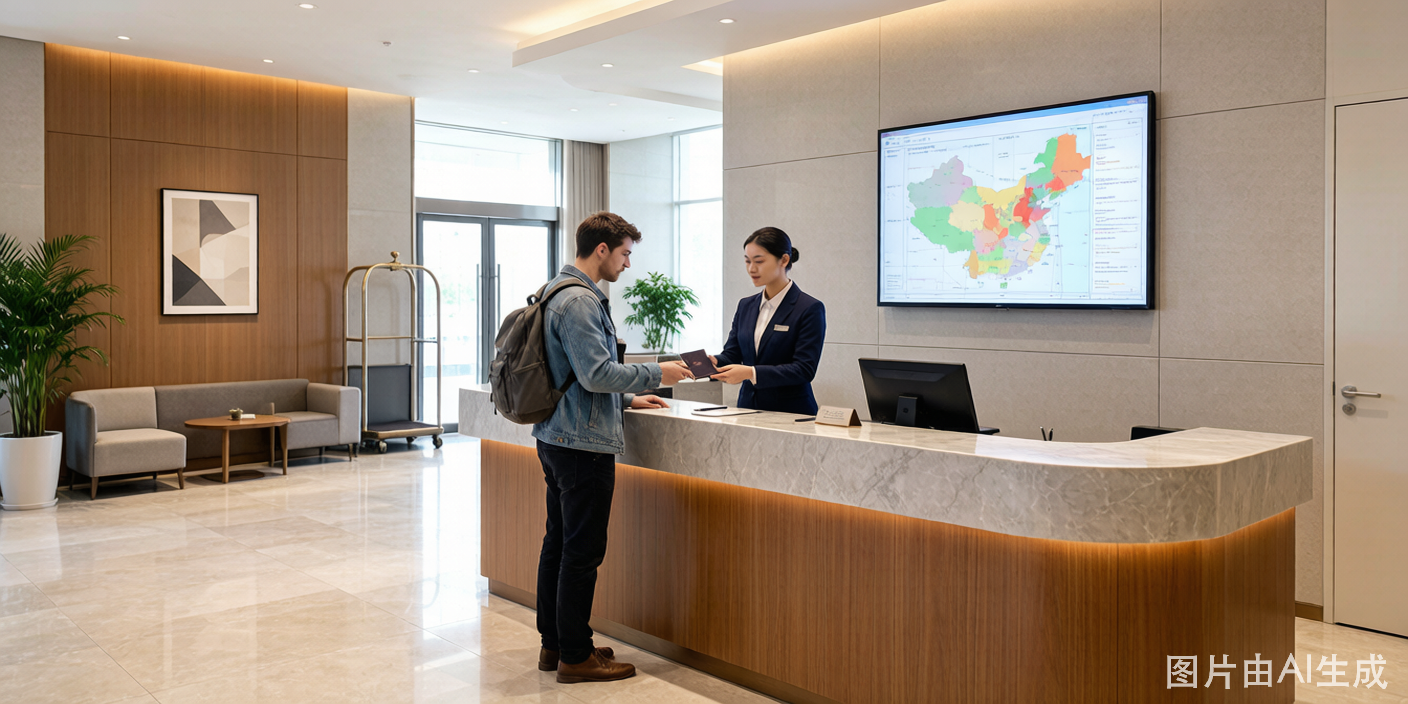
- Hand over your passport. The staff scans it and begins the registration process.
- Complete facial recognition. Look at the camera when prompted. This links the SIM to your identity.
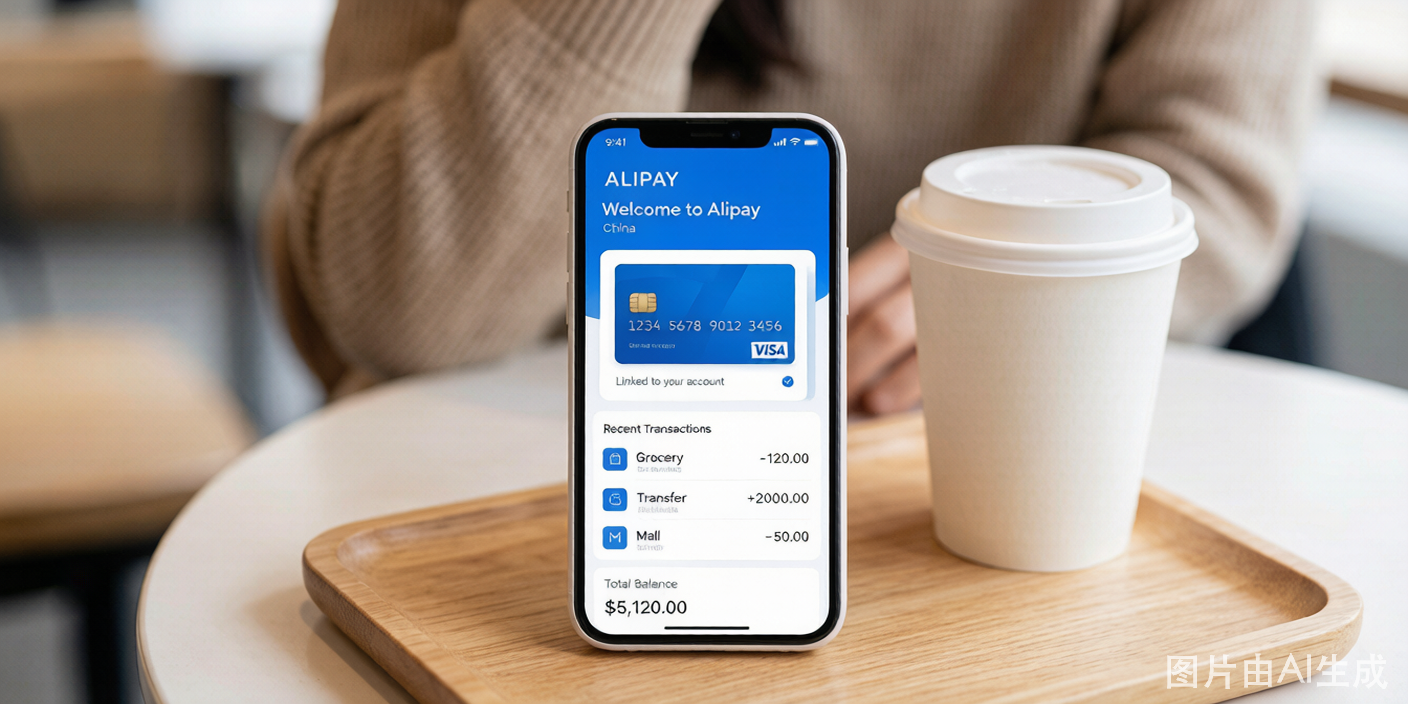
- Pay. Airport counters accept cash, international bank cards (Visa/Mastercard), and Alipay/WeChat Pay.
- Wait for activation. The staff inserts the SIM into your phone, configures the APN settings, and confirms the internet connection is working. Total time: 10-15 minutes.
Tips and Warnings
- Stick to the three official carriers. Avoid unmarked stalls or individuals offering "tourist SIM cards" in the arrival hall. These are often resellers with higher markups and non-standard plans that may stop working.
- Check that the SIM works before leaving the counter. Open a website or run a speed test. If anything is wrong, the staff can fix it on the spot.
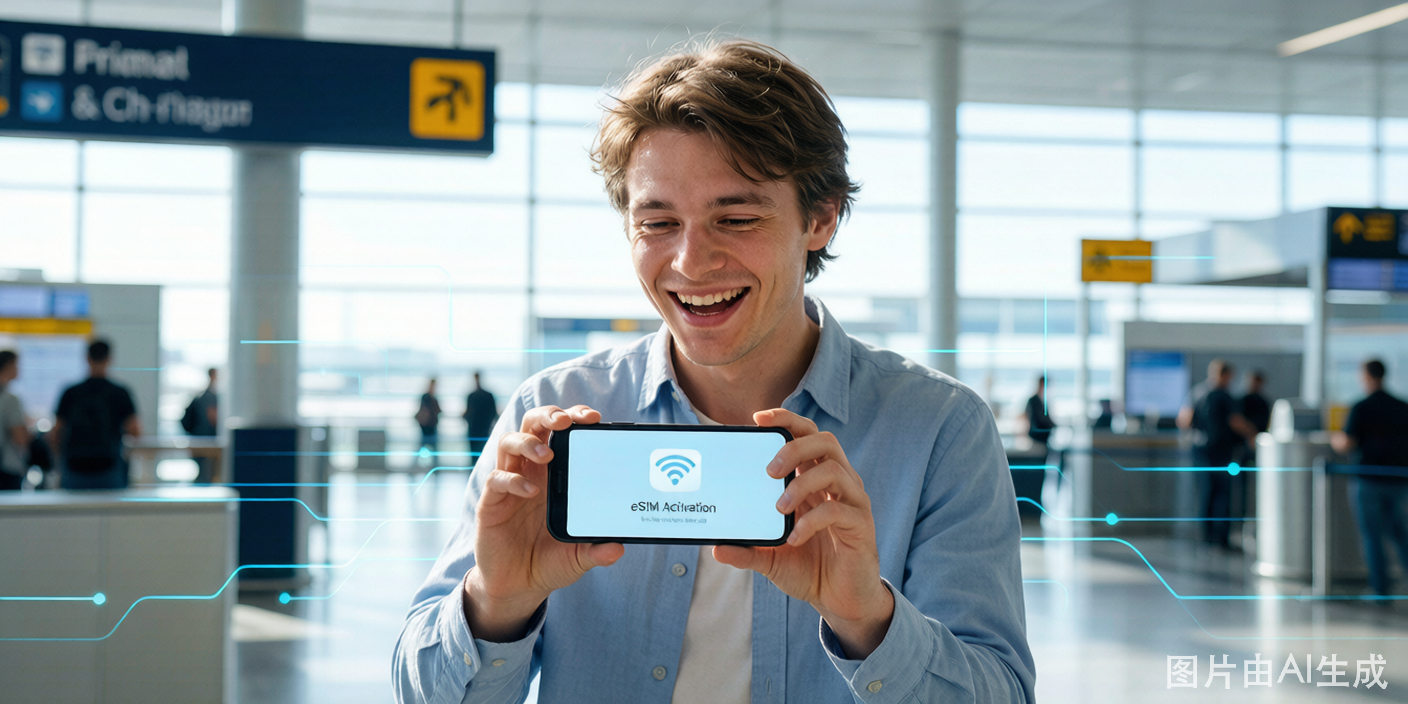
- Know your phone's compatibility. Make sure your phone is unlocked (not carrier-locked to your home network) before you travel. An eSIM-compatible phone gives you more options.
- Keep the SIM card packaging. Your Chinese phone number is printed on it. You will need this number for app registrations, food delivery, and ride-hailing services.
- Your foreign SIM stays active. Do not throw away your home SIM. Keep it in a dual-SIM phone or store it safely. You will need it for SMS verifications from your bank and services back home.