Is cash still accepted in China?
Yes, legally. The Chinese yuan (RMB) is the official currency, and under Chinese law, no business may refuse cash payment. The People's Bank of China has explicitly stated that refusing cash is illegal and has fined businesses for doing so.
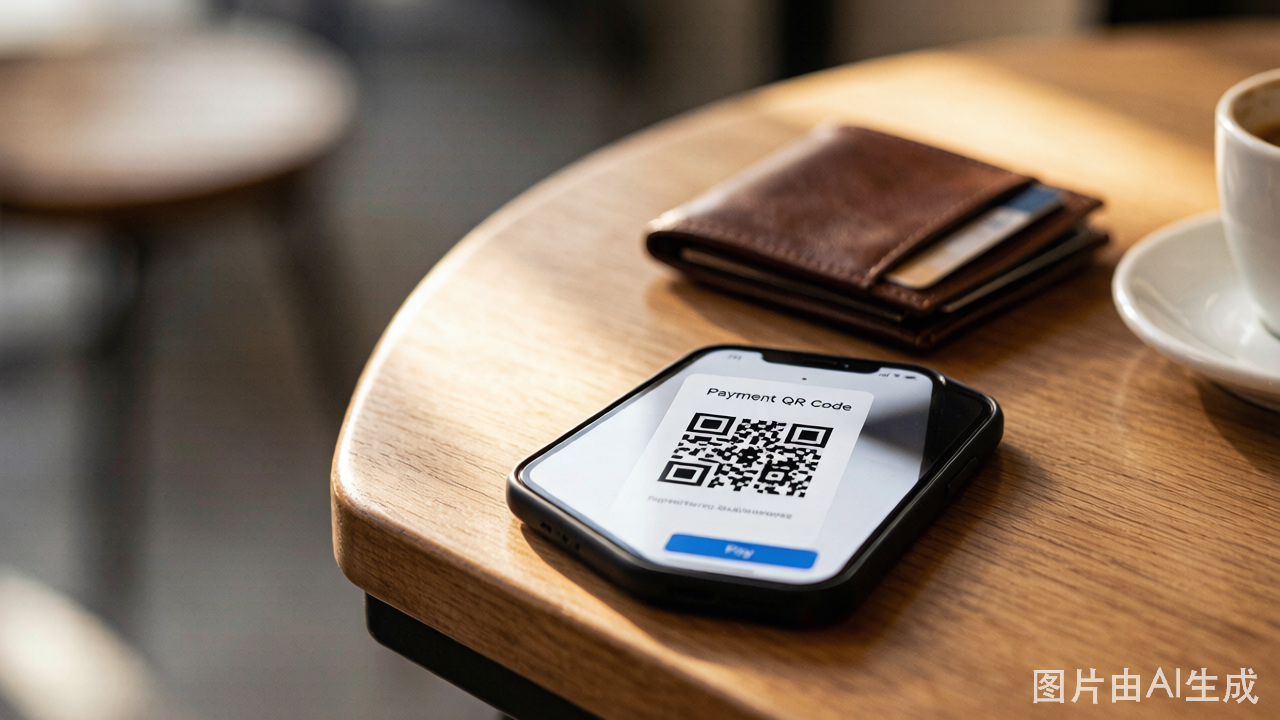
In practice, the experience varies. China is the most mobile-payment-saturated major economy in the world. Many younger vendors, small shops, and market stalls default to QR code payments and may not carry change. They will usually accept cash if you insist, but the transaction may be awkward and slow.
Do I need cash if I have Alipay and WeChat Pay?
Yes, carry some cash. Even with both payment apps set up and working, there are situations where cash is necessary:
- Small street vendors and local markets. Many independent fruit sellers, breakfast stalls, and flea market vendors only use personal WeChat/Alipay QR codes that may not process foreign cards. Your linked foreign card might be declined at these terminals.
- Public toilets. Some public restrooms charge 1-2 RMB and only accept coins or small bills.
- Older vending machines. Machines in residential areas, some metro stations, and parks may predate mobile payment or may not accept foreign-linked accounts.
- Phone battery dies. If your phone runs out of power, cash is your only payment option.
- App glitches. Alipay or WeChat Pay may freeze, log you out, or demand re-verification at the worst possible moment.
How much cash should I carry?
For a city-based tourist on a typical day:
| Situation | Recommended Cash |
|---|---|
| Daily backup (city use, with working mobile payment) | 100-200 RMB |
| Day trip to rural area or small town | 300-500 RMB |
| Full day without phone (backup plan) | 800-1,000 RMB |
| Emergency reserve (keep separate from daily cash) | 500-1,000 RMB |
Carry a mix of denominations: 100 RMB notes for larger payments, and 10/20/50 RMB notes plus some 1 RMB coins for small purchases. Breaking a 100 RMB note for a 3 RMB purchase is the exact moment when "we do not have change" becomes a problem.
Where can I get cash?
-
Airport ATMs and currency exchange counters — immediately after customs in the arrival hall. Exchange rates are reasonable (better than hotel counters). Withdraw RMB directly from ATMs with Visa/Mastercard.
-
Downtown bank branches — Bank of China, ICBC, China Construction Bank, and Agricultural Bank of China all have ATMs that accept foreign cards. Look for the Visa/Mastercard logo on the ATM. Branch hours are typically 9 AM to 5 PM on weekdays; some branches are open Saturday mornings.
-
Hotel currency exchange — Most international hotels offer currency exchange, but rates are typically 2-5% worse than ATMs. Convenient but more expensive.
-
Currency exchange shops — Found in tourist areas and near major train stations. Rates vary widely. Check the displayed buy/sell spread before exchanging.
What about foreign currencies?
Do not expect to use USD, EUR, or other foreign currencies for day-to-day purchases. Outside of airport duty-free shops and a handful of luxury hotels, foreign currency is not accepted.
Why do some places claim "no cash accepted"?
This is a practical reality, not a legal one. The reasons:
- No change. A vendor who processes 100 QR code payments a day and zero cash transactions will not have a cash float. They genuinely cannot break a 100 RMB note.
- Theft prevention. Cash-only businesses are targets for theft. Digital payments are traceable and reduce this risk.
- Habit and speed. QR code transactions clear in one second. Cash transactions require counting, verifying bills, and making change — slower in a high-volume environment.
When told "no cash," you have options:
- Politely point out that cash is legal tender (this may or may not work, depending on the vendor's patience)
- Ask if they can make an exception
- Pay a friend who has a working mobile payment setup and reimburse them in cash
- Find the next vendor — most areas have multiple options
Can I use foreign bank cards directly?
Large chain stores, international hotels, and upscale restaurants often accept Visa and Mastercard directly at the point of sale — look for the card logo on the door or at the register. However, card acceptance at small businesses is very low.
What is the best overall payment strategy?
- Set up Alipay as your primary payment method — it has the best foreign card support.
- Set up WeChat Pay as a backup — for situations where Alipay fails or the vendor only has WeChat QR codes.
- Carry 200-300 RMB in cash daily — for the inevitable moments when neither app works.
- Keep a second card separate from your wallet — if you lose your primary card, you have a backup.