The Chinese restaurant experience for non-speakers has actually become easier with technology — the very thing that makes payment intimidating also removes the need to talk to a waiter. Here are your options, ranked from easiest to most challenging.
Method 1: Scan-to-Order QR Code (Easiest)
The majority of sit-down restaurants in China — from noodle shops to hot pot chains — use a scan-to-order system. Here is how it works:
- Sit down at any available table. Hosts are uncommon in casual restaurants. Choose an empty, clean table and sit.
- Find the QR code sticker on the table. It is usually a square sticker with a QR code, sometimes labeled "扫码点餐" (scan to order).
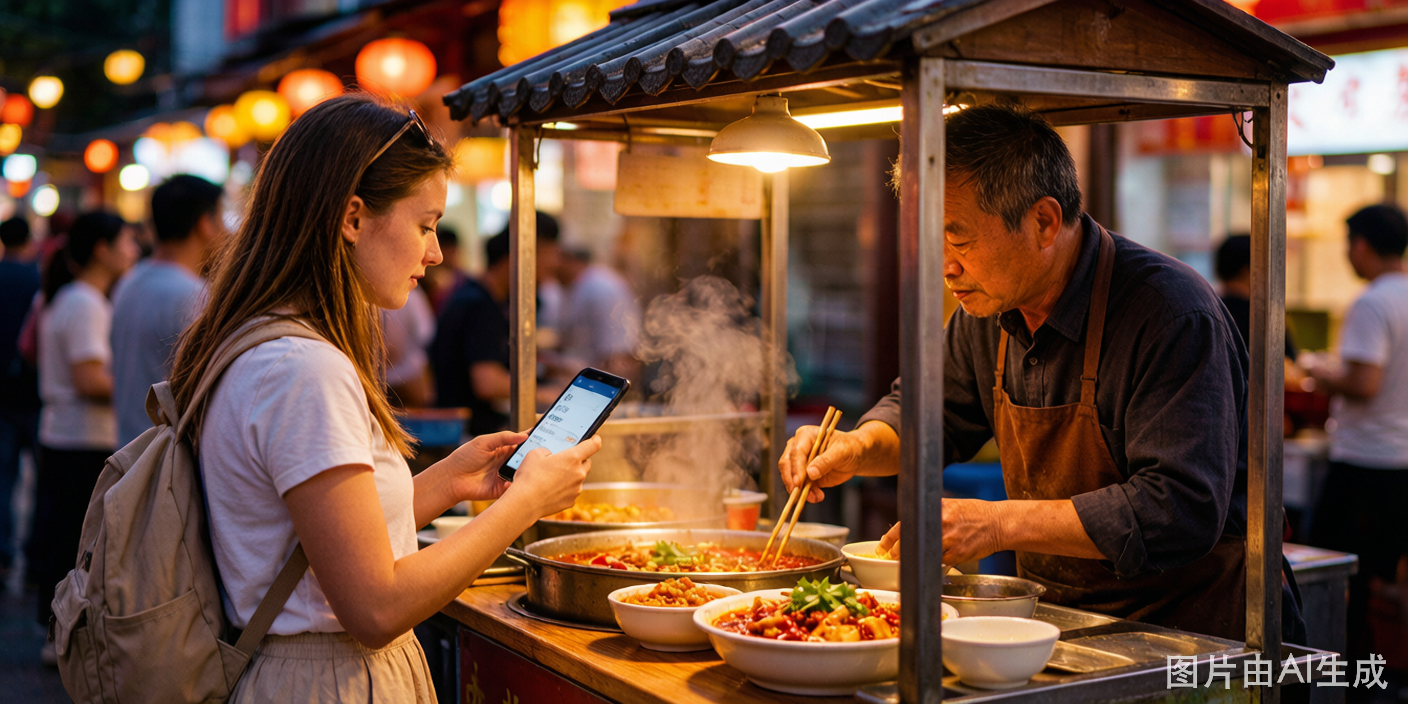
- Open WeChat or Alipay and scan the code. The scan function is built into both apps. Point your camera at the code, and the app opens a web-based menu.
- Use a translation app. The menu is in Chinese. Take a screenshot, then open it in Google Translate or Microsoft Translator's camera/image mode. The translation is not perfect, but "chicken," "beef," "rice," and "noodles" are reliably translated. Look for:
- Dish names
- Prices (clearly marked next to each item)
- Spice indicators (辣椒 = chili pepper = spicy; look for 🌶 symbols or the number of chili icons)
- Tap to add dishes to your order.
- Review your order. The system shows a total in RMB.
- Submit the order. The kitchen receives it immediately. Payment happens at the end (also through the same QR code system — tap "pay" and complete the transaction through Alipay or WeChat Pay), or you pay at the counter after eating.
No human interaction required. The most language-dependent act in daily life has been almost entirely automated.
Method 2: Picture Menus and Pointing
If there is no QR code, or the system requires a Chinese phone number (rare but happens):
- Look for a menu with pictures. Most restaurants catering to any level of foot traffic have picture menus. If the menu handed to you has no pictures, ask "有图片吗?" (yǒu túpiàn ma — "Do you have pictures?") or simply gesture at the menu and mime taking a photo.
- Point at the pictures of what you want. Hold up fingers for quantity if ordering multiple items.
- Check the price. Numbers are universal. If a dish says ¥38, that is 38 RMB.
- Write down or translate dietary restrictions in advance. If you have allergies or dietary requirements, have these written in Chinese on your phone before entering the restaurant:
- "我对花生过敏" — I am allergic to peanuts
- "我不吃肉" — I do not eat meat (for vegetarians)
- "我不吃辣" — I do not eat spicy food
- "不要味精" — No MSG
- Use a translation app in conversation mode for anything beyond simple pointing. Speak into the app, show the waiter the translation.
Method 3: Food Delivery Apps
Ordering food to your hotel or accommodation requires zero spoken Chinese:
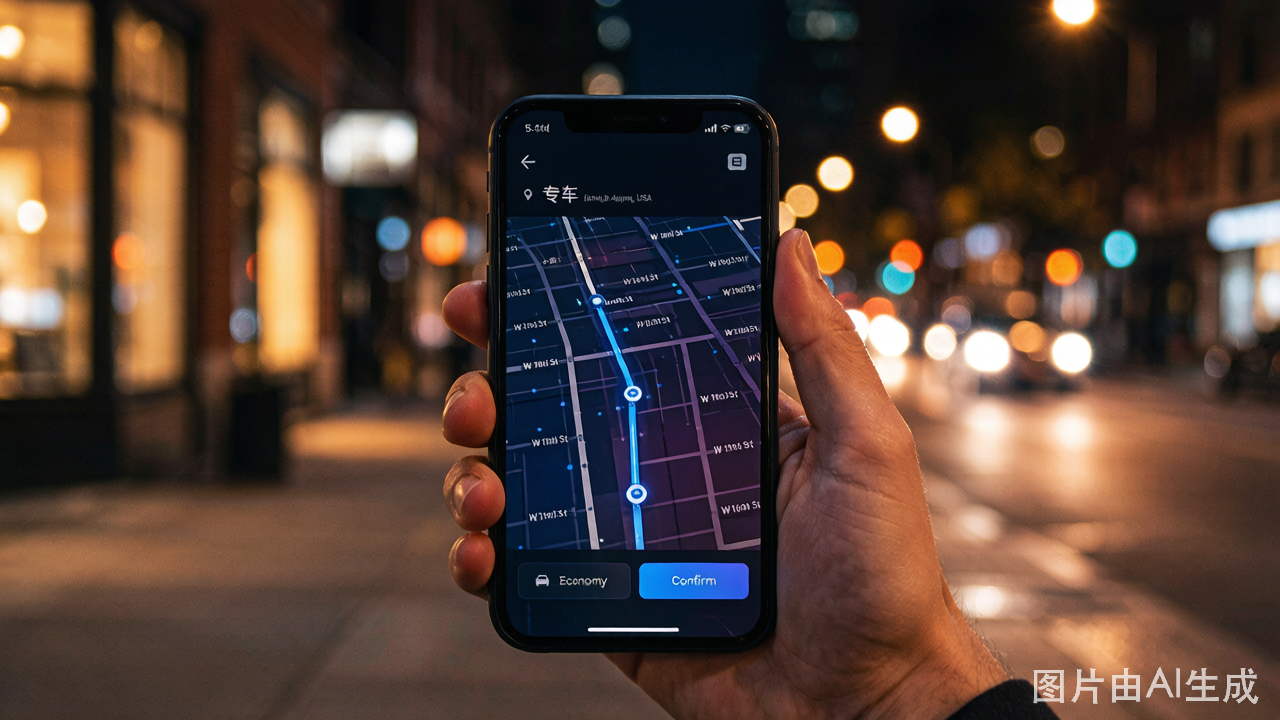
Meituan (美团) and Ele.me (饿了么) are the two dominant food delivery platforms. Both are Chinese-language apps, but with a translation app and patience, they are usable:
- Download Meituan or Ele.me (both in Chinese-only interfaces).
- Register with your phone number. Both now support foreign numbers.
- Allow location access — the app shows restaurants delivering to your area.
- Browse with picture-heavy browsing. Restaurant listings show photos of signature dishes.
- Tap a dish, tap the price, tap "加入购物车" (add to cart), then "去结算" (checkout).
- Enter your delivery address. Copy-paste your hotel address or accommodation address in Chinese characters for accuracy.
- Pay through Alipay or WeChat Pay.
- The delivery rider will call you when they arrive. This is the one unavoidable verbal interaction. If they speak Chinese, have someone at the hotel front desk assist, or use a translation app to say "请放在前台" (please leave at the front desk).
Alternative: Sherpa's and other expat-oriented delivery services exist in Shanghai, Beijing, and a few other cities. They have English interfaces but charge higher prices and delivery fees.
Method 4: Chain Restaurants with English Menus
Some restaurant types are reliably English-friendly:
- Western chains: McDonald's, KFC, Burger King, Pizza Hut, Starbucks — all have English menu options at self-service kiosks
- Japanese chains: Yoshinoya, Ajisen Ramen — picture menus are standard, and the food is consistent
- Hot pot chains: Haidilao, Xiabu Xiabu — iPad ordering with pictures and some English labels
- Hotel restaurants: Most international hotel restaurants have English menus
Method 5: Convenience Store Meals
When all else fails, convenience stores (FamilyMart, 7-Eleven, Lawson, and local chains like Meiyijia) sell ready-to-eat meals, sandwiches, onigiri, and instant noodles. Staff will heat food for you — just point and smile. These are found on nearly every block in cities and are open 24 hours.