Do you tip in Chinese restaurants?
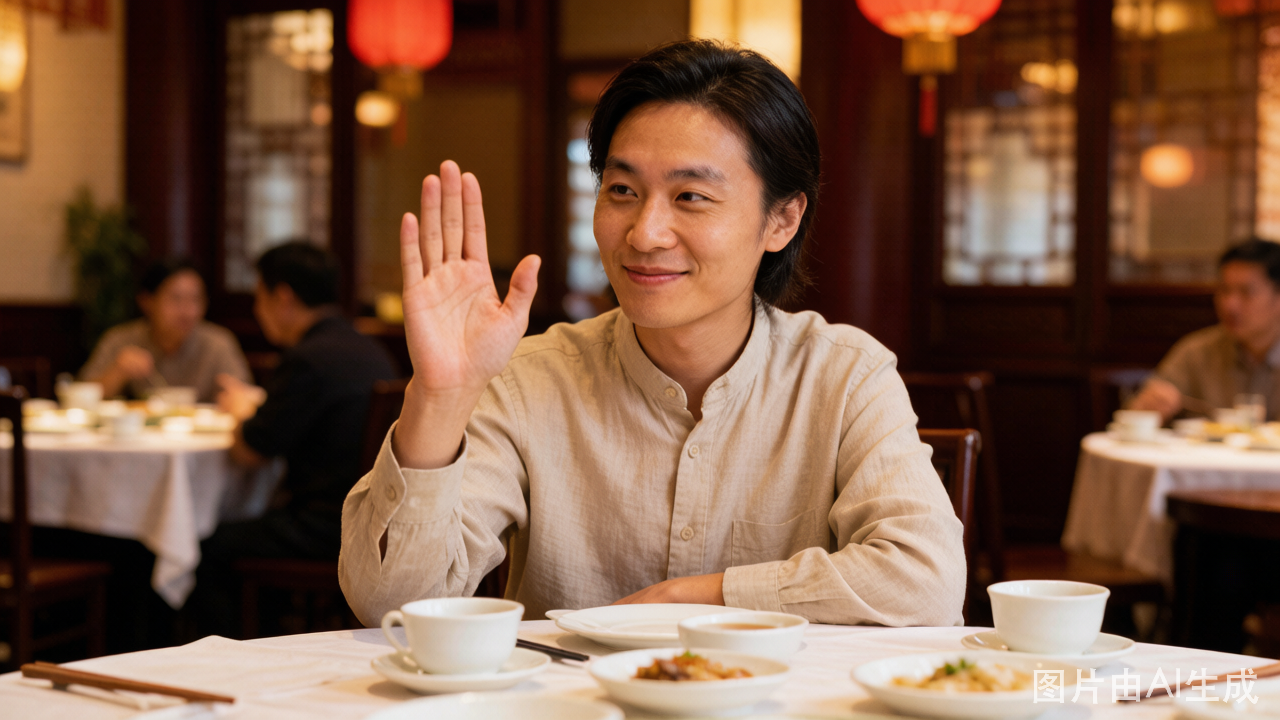
No. Tipping is not part of Chinese restaurant culture. There is no tip line on credit card receipts, no tip jar at the counter, and no expectation that you leave money on the table.
If you leave cash on the table after a meal, the staff will likely chase you down to return it, assuming you forgot your change. This is not rudeness — it is the cultural norm. Service charges are already built into menu prices.
Some high-end hotel restaurants and Western-branded establishments in Shanghai and Beijing have started adding a service charge (10-15%) to international guests' bills. This is clearly stated on the menu and the receipt — it is not a discretionary tip.
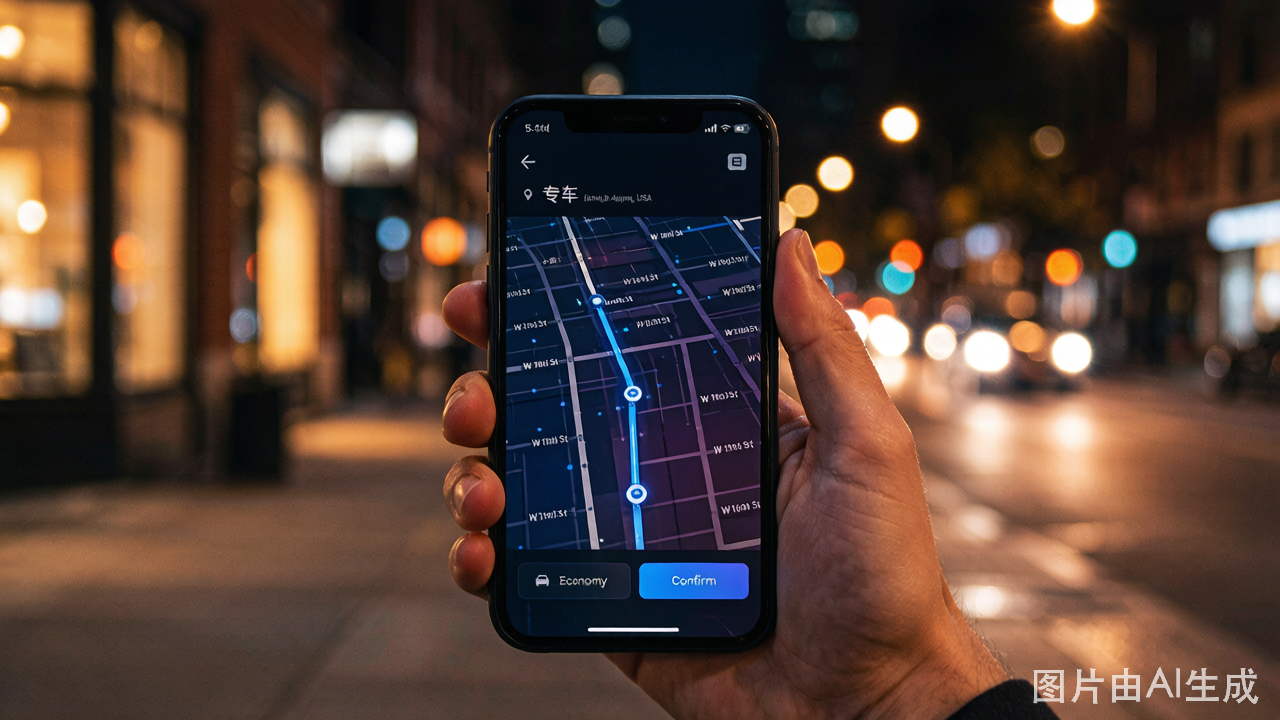
Do you tip taxi or Didi drivers?
No. Taxi drivers in China do not expect tips. The fare on the meter is the exact amount you pay. Rounding up ("keep the change") is uncommon and may confuse the driver — they will count out exact change for you.
On Didi, the fare is automatically charged through the app. There is no tip option in the Didi Rider app interface.
Do you tip hotel staff?
Generally no. Bellhops and concierge staff do not expect tips for carrying luggage or providing recommendations. If you insist on tipping at an international five-star hotel that caters to foreign guests, a small tip (10-20 RMB) may be accepted, but it is not required or expected.
Housekeeping staff do not expect tips. Leaving money on the bedside table will likely result in it being turned in to the front desk as lost property.
Are there any situations where a tip is expected?
There are a few borderline cases:
- Tour guides. Private tour guides may accept tips, especially those accustomed to serving international clients. A tip of 50-100 RMB per day for a full-day private guide is appreciated but not mandatory. For group tours, tipping is not expected.
- Spa and massage services. Higher-end spas in international hotels may have a tip line, but local massage parlors and foot massage shops (which are common and affordable) do not operate on a tipping model.
- Tourist-oriented performances. Some tourist dinner shows and cultural performances aimed at foreign visitors may have a tipping culture introduced by the industry, not by Chinese custom. If a tip box or performer holding out a hand appears, it is targeted at tourists.
What if I tip by accident or out of habit?
Nothing bad happens. The person you tipped will likely be surprised, may refuse once or twice, and may eventually accept if you insist. You have not caused offense. But you have also introduced confusion into a transaction that was already complete — the price listed was the price intended.
Why is there no tipping culture?
Several reasons:
- Wages are not tip-dependent. Service industry wages in China do not assume a tip component. Workers are paid their full wage by their employer.
- Historical absence. Tipping has never been part of Chinese commercial culture. It was not suppressed — it simply never existed at scale.
- Service charge models. Where a premium service is involved (fine dining, luxury hotels), service charges are explicitly added to the bill rather than left to customer discretion.
- Social discomfort. Accepting "extra" money can be socially awkward in a culture where exact payment is the norm.
What should I do instead of tipping?
- Say thank you. "谢谢" (xièxie) goes a long way.
- Use the service rating system. On Didi and food delivery apps, giving a driver or rider a five-star rating is more meaningful than a cash tip.
- Write a positive review. For hotels and restaurants, positive reviews on Trip.com, Dianping, or international platforms are genuinely valued.
- Return as a regular customer. Repeat business is the Chinese equivalent of a good tip.